

What You Need to Know Before Your Lisbon Trip
Lisbon is one of Europe’s most beautiful city destinations. The Portuguese capital captivates visitors with its historic alleyways, yellow trams, scenic viewpoints, and laid-back lifestyle. To ensure your trip goes as smoothly as possible, however, there are a few things you should know before you go.
1. Choose the Right Location for Your Hotel
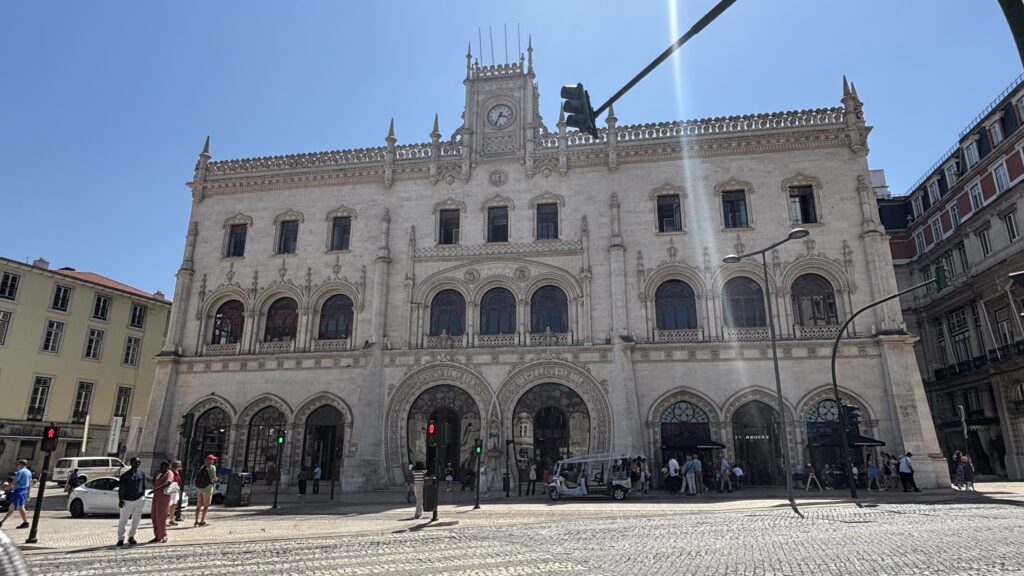
If you’re only spending a few days in Lisbon, it’s worth booking a hotel near Rossio or Restauradores. From there, you can reach virtually all the major sights on foot or with a short metro ride. I stayed at a hotel on a side street off Restauradores, and the location couldn’t be better.
Plus, many trains depart from here to nearby destinations, such as Sintra or Cascais. Staying in a central location saves you a lot of time every day.
2. The city center is smaller than many people think
Many first-time visitors plan too many bus or metro trips. In fact, a large part of the city center can be easily explored on foot.
Baixa, Chiado, Alfama, Bairro Alto, and the banks of the Tagus are often just a few minutes’ walk apart. For longer distances, you can simply pay contactlessly with your credit card or smartphone (Tap & Go).
3. Public transportation is easy to use
You can now pay contactlessly on buses, trams, and many other modes of transportation without any trouble.
Important: On buses, you always board at the front by the driver and exit at the back.
4. Tram 28: What You Should Know
The famous Tram 28 is one of the city’s best-known attractions. However, many tourists make the same mistake and stand in the long lines during the day.
My tip: Ride as early in the morning or as late in the evening as possible; the tram will be much less crowded, you’ll get better photos, and the ride will be much more enjoyable.
A single ride currently costs €3.30 when paying directly on the tram. If you’re planning multiple trips or want to use the tram for a sightseeing tour, you should consider a 24-hour pass. It currently costs €7.25 for Carris and Metro and allows unlimited rides within 24 hours.
Important to know: Tram 28 is a regular public transit line, not a loop route. At the terminal, you’ll need to get off and board the next tram if you want to travel the entire route back. so the 24-hour pass is a almost the same price as you pay for two rides.

5. Good shoes are a must
This point is often underestimated.
Lisbon is extremely hilly. On top of that, there are the famous Portuguese cobblestones (Calçada Portuguesa), which can be particularly slippery when it rains or if you’re wearing shoes with smooth soles.
Sandals, flip-flops, or shoes without tread are not a good idea. During my visits, I’ve seen tourists slip or stumble on several occasions.
Sneakers or comfortable shoes with good support are by far the better choice.
6. People eat late in Portugal
Many restaurants don’t start filling up until 8 p.m. Before 7 p.m., some places seem almost empty. If you want to experience an authentic Portuguese dinner, it’s best to plan your meal a little later.
7. It’s «Obrigada» — not «Gracias»
ou’ll instantly win people over with a few Portuguese words.
- Obrigado = Thank you (if you’re male)
- Obrigada = Thank you (if you’re female)
- Bom dia = Good morning
- Boa tarde = Good afternoon
- Boa noite = Good evening
Avoid using the Spanish «Gracias» if possible. While Portuguese people hear this all the time from tourists, they’re much happier to hear a Portuguese «Obrigada.»
8. Watch out for pickpockets
Lisbon is generally considered a safe city. However, there are some pickpockets in tourist areas.
You should be especially vigilant:
- on Tram 28
- around Rossio
- in Baixa
- in Alfama
- at popular viewpoints
Keep your cell phone, wallet, and passport safe, and in crowds, it’s best to wear backpacks in front of your body.
9. The bread on the table is usually not free
A common surprise for many tourists: In Portuguese restaurants, bread, butter, cheese, or olives are often brought to the table. These are not automatically included with your meal. If you eat any of them, they’ll be added to your bill. If you don’t want any, you can simply send them back.
10. Don’t forget your sunscreen
Even if the temperatures seem pleasant, the sun in Lisbon is much stronger than many expect. Especially between spring and fall, you should always have sunscreen with you—particularly during long walks or at scenic overlooks.
11. Be sure to take a day trip
The biggest mistake many visitors make: they stay only in Lisbon. Some of Portugal’s most beautiful places are located around the capital:
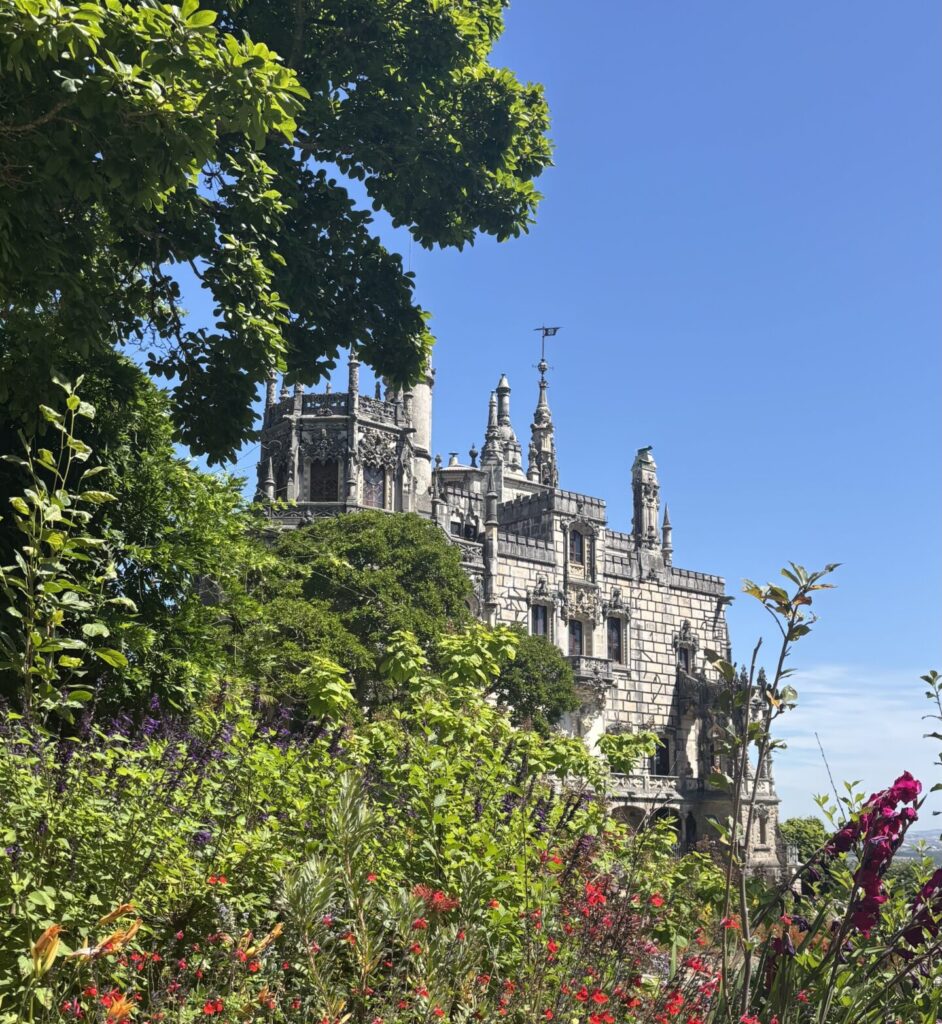
Sintra – Fairytale palaces, castles, and stunning natural scenery. An absolute highlight.
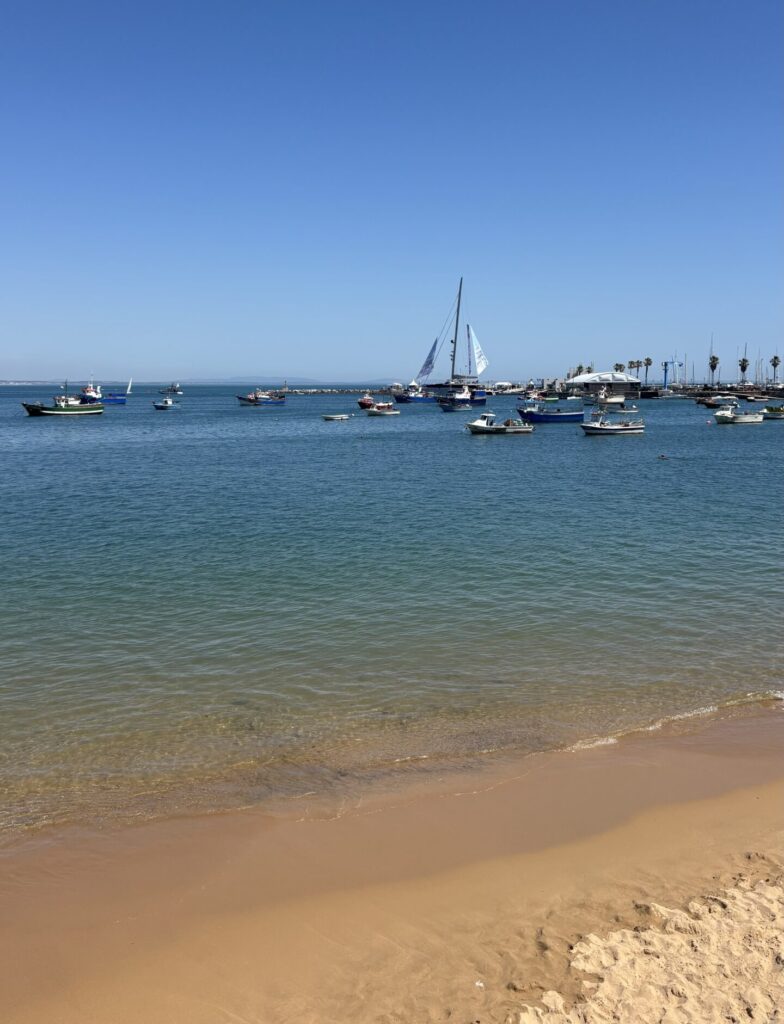
Cascais – A charming coastal town with beautiful beaches and a relaxed atmosphere.
Fátima – One of Europe’s most important pilgrimage sites.
Algarve – Spectacular coastal landscapes, golden beaches, and impressive rock formations.
Many of these destinations are easily accessible as day trips.

12. Portuguese cuisine: what you should try
isbon is also a paradise for foodies. The most famous pastry is, of course, the pastel de nata—a crispy puff pastry tart with a creamy egg filling that tastes best when still warm.
Other popular Portuguese specialties include bacalhau (salt cod in countless variations), bifana (marinated pork in a bun), and fresh grilled sardines.
To finish off your meal, be sure to try a ginjinha, the traditional cherry liqueur, or a bica (Portuguese espresso).
Lisbon is a city best explored at a leisurely pace. Stay as close to the center as possible, explore as much as you can on foot, wear comfortable shoes, and set aside plenty of time to venture outside the city center. If you also catch Tram 28 early in the morning, say “Obrigado” instead of “Gracias,” and take a trip to Sintra, nothing will stand in the way of a successful trip.